The companies that consistently produce accurate inventory results are not always the ones with the fanciest systems. They are usually the ones that prepare thoroughly and execute with discipline when it counts.
This week I finalized a mid-year inventory count plan for a client. Like many things in ERP, the outcome will not be determined on count day. It will be determined by the preparation that happens before anyone ever picks up a scanner.
Formula 1 teams understand this. Pole position is earned on Saturday, but the work started months earlier. Every setup change, every simulation, every practice lap contributes to the few moments that matter most. Inventory counts work the same way. Clean locations. Accurate labels. Frozen transactions. Clear procedures. Discipline before execution.
The biggest mistakes happen when organizations try to solve problems during the count. Teams start chasing missing inventory, researching transactions, moving product, or looking in the system for answers. By then, the race has already started. The only job on count day is to count what is in front of you with precision and consistency.

The companies that produce the best inventory results are rarely the ones with the most sophisticated systems. They are the ones with dedicated people, meticulous preparation, and the discipline to follow the plan when the pressure is highest.
When the green flag drops, confidence comes from preparation.
Most NetSuite problems are not accounting problems. They are operational systems problems.
Left Ledger Inc. helps companies already running Oracle NetSuite regain operational clarity, financial trust, and process control across the ERP environment.
Independent. No license reselling. No partner quotas. No layers of project management. Clients work directly with a NetSuite ERP soloist focused on how the system actually behaves inside day-to-day operations.
Jack Ring
Left Ledger Inc.
Jack@LeftLedger.com
724-816-1000
...
We recently helped a client in the leasing industry modernize their entire tenant-lease management process directly inside native NetSuite. No third-party integrations. No extra modules. No recurring license fees. The result? A robust, auditable, and fully automated lease-to-revenue engine. Purpose-built for their business and completely maintained on simple, native NetSuite.
For many finance leaders, the monthly and quarterly close process is a recurring headache. Spreadsheets circulate through inboxes, checklists live on shared drives, and documentation is scattered across systems. The result? Lost time, inconsistent practices, and extra stress when auditors come knocking.
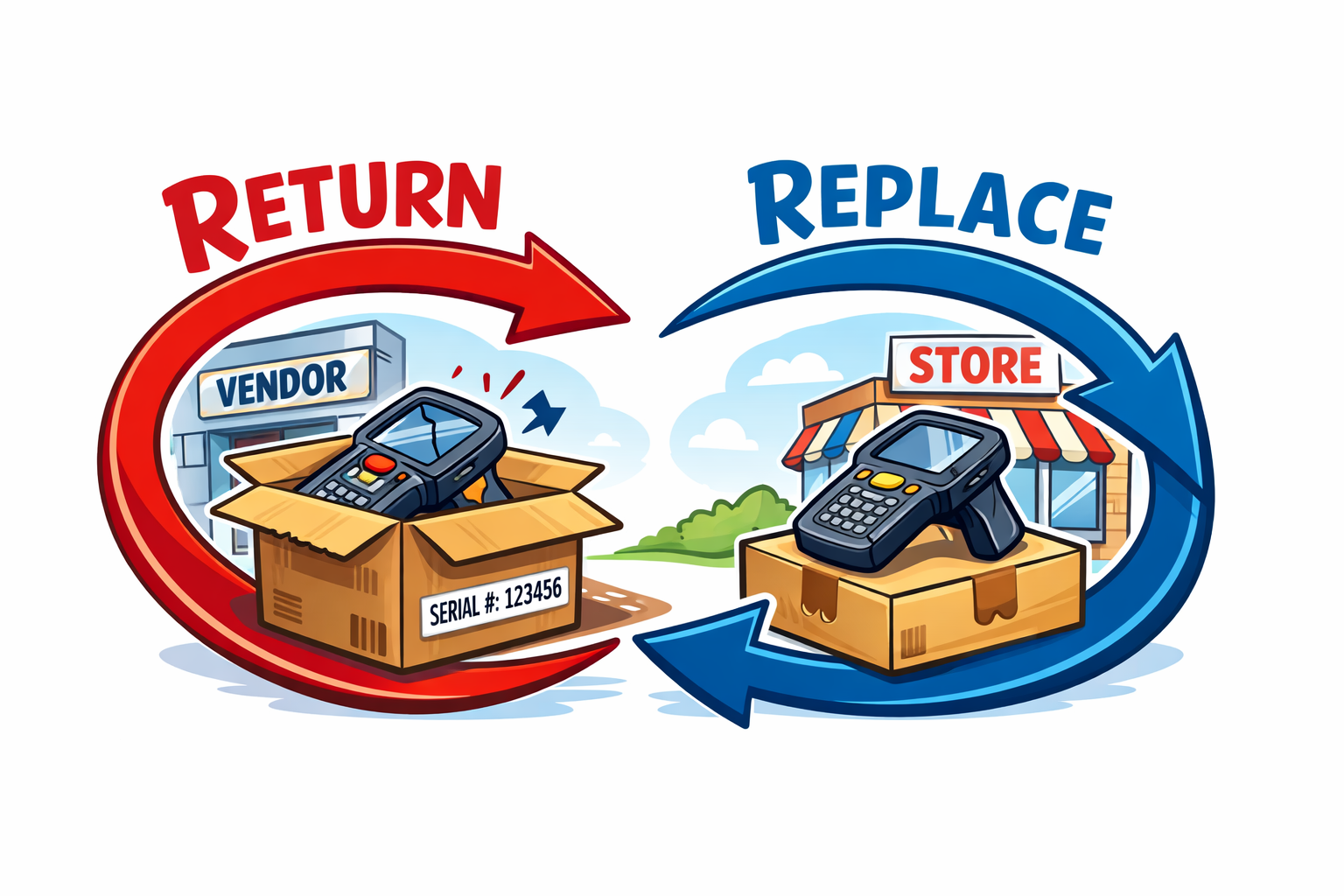
In distribution and serialized inventory environments, the "simple" act of swapping a defective unit for a customer can quietly damage financial integrity if not handled with discipline. A customer returns a serialized unit. The store hands them a new one from stock. The vendor agrees to replace or credit the defective unit. Everyone feels like the problem is solved.
Operationally, maybe. Financially, not necessarily.
Most companies believe their ERP is under control because they can close the books and produce financials. That is a low bar. The real test is whether the system reflects reality without explanation, adjustment, or second guessing.
Control does not break all at once. It starts in small places, usually in purchasing, where commitments, receipts, and billing begin to drift out of sync. The Purchase Order History Report exposes that drift immediately, and it does it without interpretation.