Purchase Order History: The Report That Exposes ERP Discipline

Most companies believe their ERP is under control because they can close the books and produce financials. That is a low bar. The real test is whether the system reflects reality without explanation, adjustment, or second guessing.

Control does not break all at once. It starts in small places, usually in purchasing, where commitments, receipts, and billing begin to drift out of sync. The Purchase Order History Report exposes that drift immediately, and it does it without interpretation.

...
Jack Ring
Share:

Where Control Begins to Break

There is a difference between a system that runs and a system that is under control, and most companies using NetSuite operate somewhere in between. They can process transactions, close periods, and produce financials, but that does not mean the system is aligned with reality. The gap shows up first in the small places, long before it becomes visible in the financial statements, and purchasing is one of those places.

Every business builds a plan with budgeted spend, positioned inventory, and forecasted revenue, but once execution begins, reality shifts as vendors miss dates, quantities change, and priorities move. That is not the issue. The issue is when the system is not kept in sync with those changes, and the Purchase Order History Report exposes that gap quickly.

What This Report Exposes

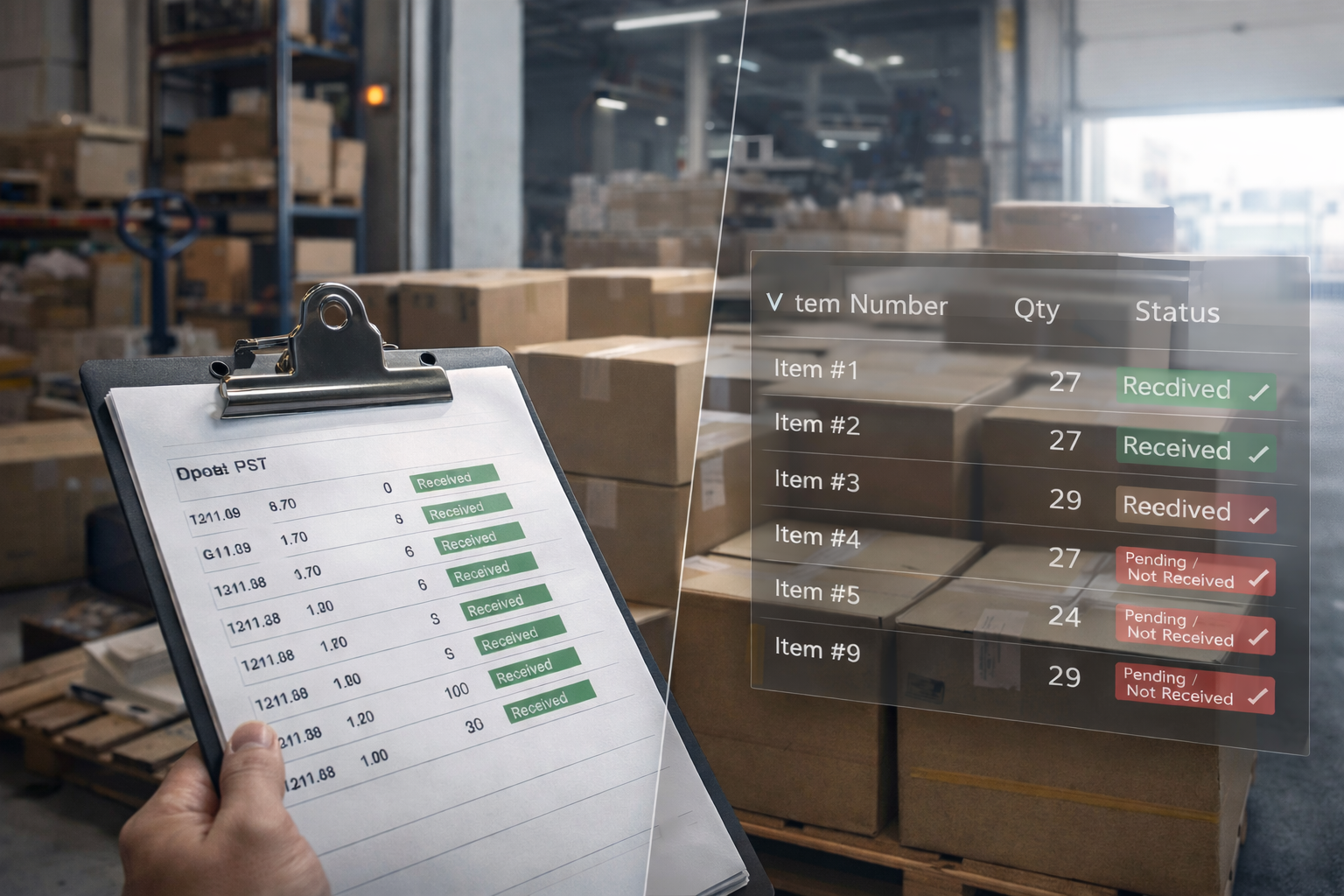
At any point in time, the Purchase Order History Report answers four questions that matter to a CFO: what has been committed to spend, what has actually been received, what has been billed, and what remains open, and why. These are not operational details, they are direct inputs to cash flow visibility, accrual accuracy, and vendor exposure, and they determine whether the numbers can be trusted.

When discipline is present, the report is quiet and predictable. Purchase orders move through their lifecycle and are closed when complete, receipts reflect physical activity, vendor bills follow in a consistent cadence, and open commitments are current and understood. When discipline breaks, the report becomes noisy, with open items lingering beyond their relevance, activity falling out of sync, and commitments losing clarity as the system stops mirroring reality and starts requiring interpretation.


...

When Drift Spreads Beyond Purchasing

Purchase orders remain open long after they are relevant, expected receipt dates pass with no action, items are received but never billed, and accruals are left incomplete. Old commitments continue to sit in the system, influencing purchasing decisions and cash projections as if they are still real, and over time this creates a layer of distortion that extends beyond purchasing into inventory, fulfillment, and the general ledger.

At that point, the system still produces numbers, but those numbers require explanation instead of confidence. Teams begin reconciling around the system instead of relying on it, confidence erodes gradually, and leadership senses the issue before they can clearly point to it. This is not a problem of complexity, it is a failure of follow through.

Control, Not Perfection

The Purchase Order History Report is effective because it removes interpretation and forces visibility into execution. It shows exactly where activity has stopped short, what has been left open, what has not been closed, and what no longer belongs, making it clear whether the business is completing the full transaction lifecycle or leaving it partially finished.

This is not about perfection, because plans will change and variance will always exist, but control is the standard. A business that maintains this report understands its commitments across purchasing, inventory, and the general ledger, and can project cash with confidence because the underlying activity is current and accurate. A business that ignores it operates with blind spots, and those blind spots do not stay contained.

About Left Ledger Inc.

Left Ledger is an independent NetSuite consultancy based in Pittsburgh, PA.

  • We do not resell licenses.
  • We do not collect commissions.
  • And we do not push implementations.
Instead, we work with companies that already run NetSuite and want to get more out of the system they own. If your financials, CRM, operations, or reporting workflows could be operating more efficiently inside NetSuite, I am always happy to have a conversation.


Schedule a Conversation

Let's talk. • (724) 816-1000 • info@leftledger.com


Archived Articles

...


Join our mailing list

From us to your inbox.


Schedule a Conversation

Let's talk. • (724) 816-1000 • info@leftledger.com