This article will be of interest to you if your company has the need to reprint packing slips and return forms in bulk after items have already shipped.

Our client had one Sales Order and twenty-plus item fulfillments against it over the course of a several months. Their end customer wanted all pack slips for any items represented on a specific invoice. We suggested that our client use the standard "Print Checks and Forms" area of NetSuite.
Go to Transactions > Management > Print Checks and Forms
Since they had a Customer PO# referenced on their Sales Order, we suggested that they use the "Customize" button and add an additional filter for PO# on the Created From transaction.
If you need help doing more with your NetSuite instance, give us a call. We're here to be your NetSuite system experts. This way you can remain focused on the needs of your customers and growing your business.
...
Most companies believe their ERP is under control because they can close the books and produce financials. That is a low bar. The real test is whether the system reflects reality without explanation, adjustment, or second guessing.
Control does not break all at once. It starts in small places, usually in purchasing, where commitments, receipts, and billing begin to drift out of sync. The Purchase Order History Report exposes that drift immediately, and it does it without interpretation.
NetSuite CRM is one of the most overlooked and underutilized components of most accounts. If your organization pays for NetSuite but still relies on external CRM systems, there's a strong chance you're spending more time, money, and energy than you need to while your teams operate in silos.
For many finance leaders, the monthly and quarterly close process is a recurring headache. Spreadsheets circulate through inboxes, checklists live on shared drives, and documentation is scattered across systems. The result? Lost time, inconsistent practices, and extra stress when auditors come knocking.
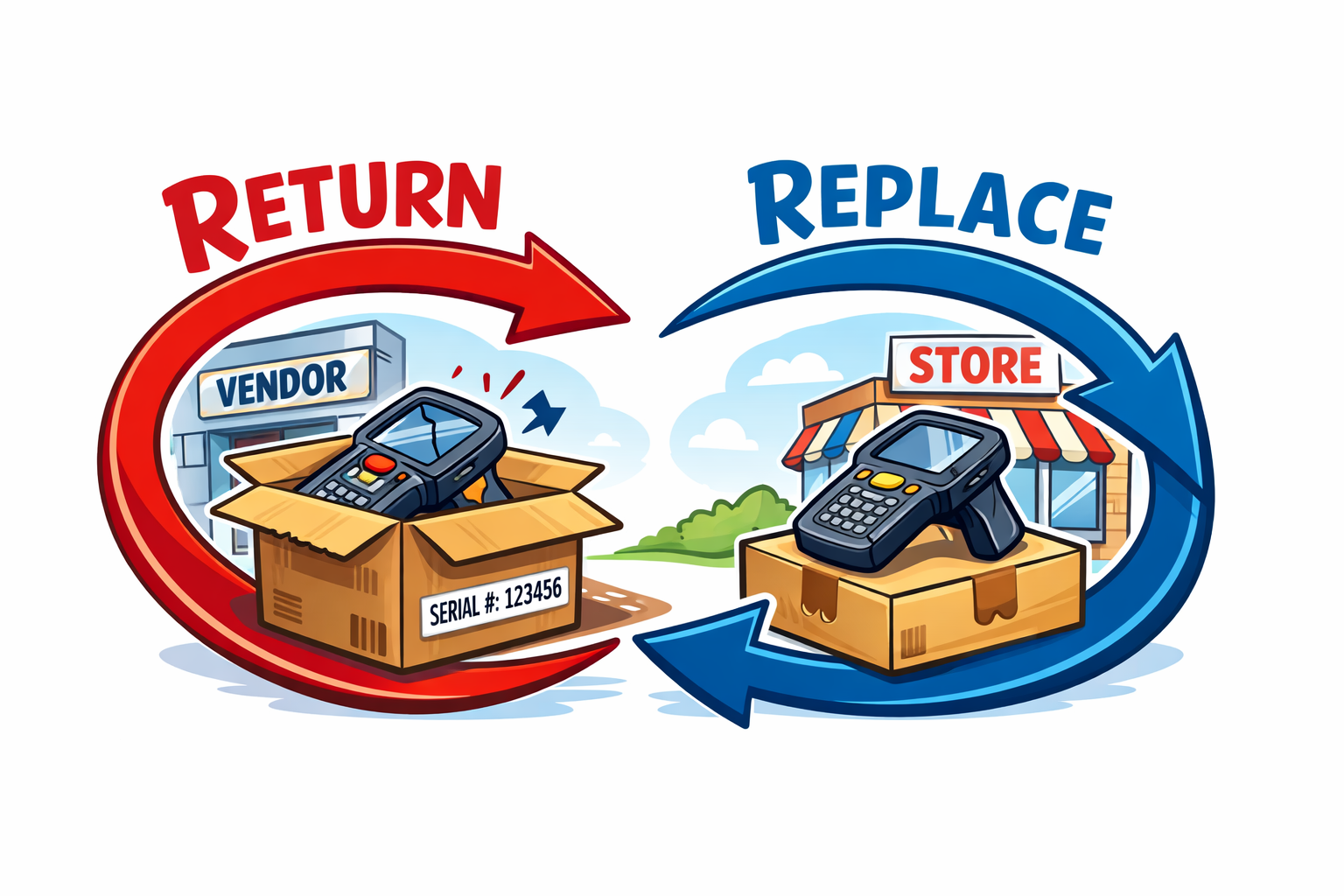
In distribution and serialized inventory environments, the "simple" act of swapping a defective unit for a customer can quietly damage financial integrity if not handled with discipline. A customer returns a serialized unit. The store hands them a new one from stock. The vendor agrees to replace or credit the defective unit. Everyone feels like the problem is solved.
Operationally, maybe. Financially, not necessarily.
NetSuite offers a few different ways to add landed costs into the value of an item. Each method has certain benefits & drawbacks. The method discussed in this article is basic and flexible but also somewhat prone to user error. It involves manually entering landed costs directly on an Item Receipt transaction.